wala.collective - wala.collective 2
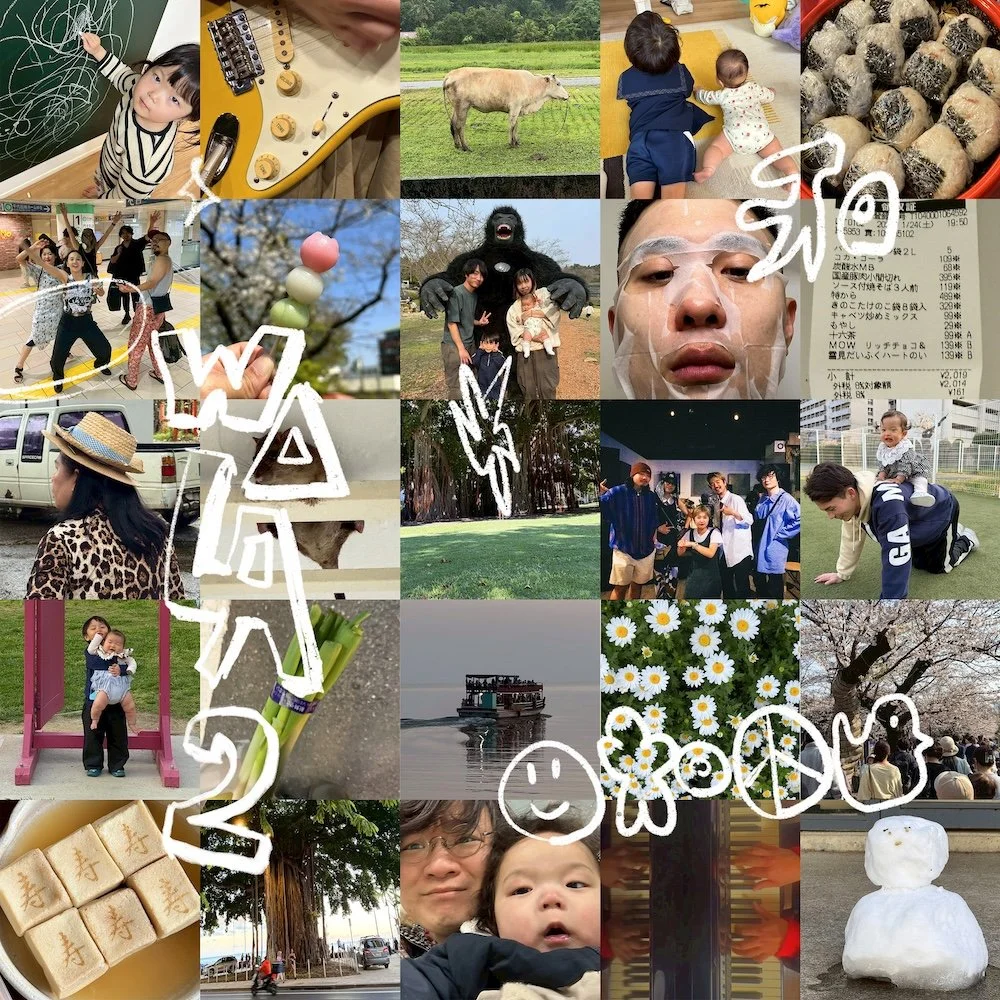
On the outskirts of Tokyo, in the city of Urawa, there’s a small neighborhood institution called Cafe & Jazz Shoji. Originally it was conceived as a safe space for children, who would be able to visit even by themselves. Later on, the cafe moved to its current location, where the walls are decorated with dried flowers, there are handmade crafts for sale, and there’s a turntable in the corner. While it’s not flashy or trending on social media, it’s a favourite hangout for wala.collective vocalist Taku, and they, among other artists, have performed there over the years. However, recently the owner has been dealing with some health issues, and needed some help to keep the shop open on weekends, so Taku stepped in to host on Saturday nights. It was a very natural transition, aided by his comfort in being a regular, and lately Taku has been proactive as MC and selecting the music, even playing tracks from his laptop. There’s a warm, community atmosphere present, an “aura of kindness” that you can sense just by being in the space.
This same atmosphere is present within wala.collective, and it enables them to grow and take on new challenges as individuals. Their first album sometimes sounded like a bunch of kids messing around in a big house, but now they’ve grown up a little, as teenagers or young adults active in the real world. Generally, each member has demonstrated some growth, for example Taiyo Ky has tried his hand at rapping for the first time on “いつも通り”, Taku has worked on his vocal techniques to shift to a more expressive, high-energy performance style, and Ory has felt encouraged to sing more.
There’s something of a newfound confidence in the group, and the contrast shows up right from the beginning. Their debut album started shyly with a lullaby, a quiet “Whisper of the Moon”, but “wala.collective 2” opens to great fanfare to create a sense of theatricality, spotlights dancing around the stage curtain. While retaining the group’s signature warmth, there are more uptempo, “street-like” vibes, with elements of 90’s/2000’s hip-hop and R&B incorporated this time. It might not be the streets of Compton, but at least “Zest” sounds pretty smooth for a lowrider cruise in Tokyo, and “いつも通り” seems to take its inspiration from the production and flow of A Tribe Called Quest. “Slow Dive” is driven by a funky bass line and fits in with the current city pop trend, while “最高Cycle” jumps on the UKG revival in Japan. Arguably this makes them stronger as singles compared to the tracks on their debut album.
But it’s not just about vibes, wala.collective have used this time and experience to work on their songcraft. On “いつも通り”, Taiyo Ky intentionally worked cultural references to The Beatles’ “Rubber Soul” and Charlie Brown’s football fails as a new creative challenge, which he could only attempt because of the supportive environment of the collective. Conceived by Ory as music to listen to in the bath, the moody, abstract song “山茶花” deliberately avoids sharp sounds like piano, and is purposely mixed to sound damp or muffled, as if being submerged in water. “Still” sounds like one of their usual chill hip-hop tracks, but the song was apparently inspired by Eckhart Tolle, focusing on the idea of detaching from the ego and past traumas to find inner peace. Written as a kind of “self-help” music, the words encourage listeners to breathe, slow down, and face their emotions with courage rather than fear.
On top of that, there are two standout tracks on this album that serve to highlight the group’s strengths as a collective. The foundation of “Like Yesterday” was provided by Malaysian violinist Lyrit, who initially wrote the track during a 30-day challenge while in lockdown, incorporating Nujabes-style lo-fi beats and harmonic intervals. Immediately picking up on the reference, Taku added rap verses, and Ryan figured out the chorus and verses after hearing the violin melody. The result is a beautiful modern ballad, exploring feelings of vulnerability and reflecting on the past while ending on a positive, hopeful note. The other key song on this album is “おれん時”, a feelgood number that climaxes in a triumphant wave of positivity. Created to express a strong desire to cherish important people in one's life, the song embodies the feeling of wanting to hold onto moments and people, serving as an "extension" of a hug. There’s something pure about this expression of love, you can almost hear the laughter and energy generated by the members, and it’s only possible because they’re close-knit like a family. The painstaking effort put into the cascading harmonies by Taiyo Ky was totally worth it, the finale makes you feel unstoppable because you’ve got a whole collective behind you.
If the group’s debut album was to show the world “this is us”, this second album “wala.collective 2” shows “this is who we’ve become”. It’s a collection of everything the members have experienced over the year and a half since the first album. According to Taku, “During that time, we kept making music, played more live shows, and met so many amazing people along the way. All of those experiences, emotions, and memories naturally found their way into these songs.” Providing positive vibes in spades, “wala.collective 2” is a successful step up for the group and a testament to the power of collective action and psychological safety enabling personal growth, once again showing just how the whole can be greater than the sum of its parts.
Also by wala.collective: Self-titled
Tokyo ON also recommends: SaToA - Time Leap, 1983 - Passes on the Other Ocean