Julia Takada - Reverie
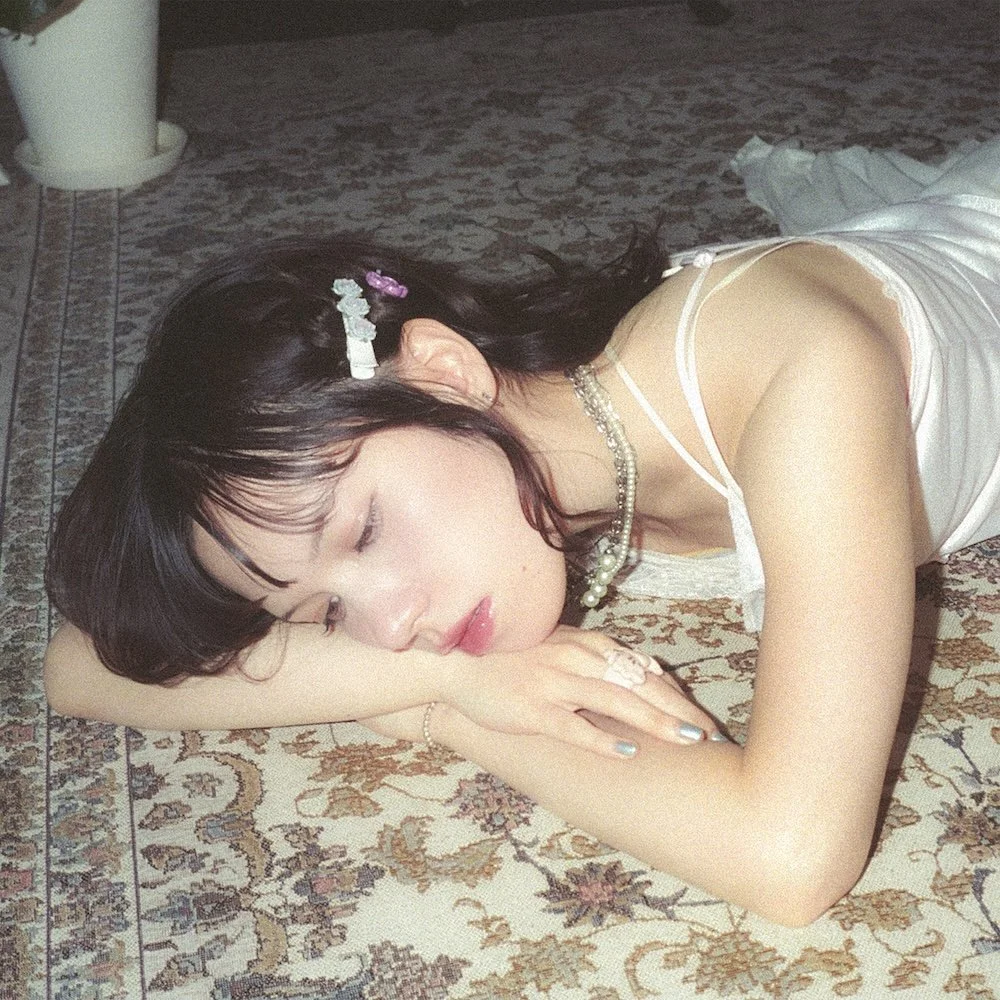
Just in time for the Japanese summer of 2026, “Reverie” is the long-awaited debut album from indie pop singer Julia Takada and perfectly captures the feelings and experiences associated with summer romance. While this is hardly new subject matter in music, “Reverie” works so well because rather than being a random selection of songs for your playlist, the album is structured as a narrative, from the meet-cute to trying to get attention, confession, and inevitably the breakup.
To set the stage, the album begins with a beautiful piano piece by producer Ryuju Tanoue, and it foreshadows not only the warmth and wonder of young love, but also the melancholy and tragedy when it ends. It also serves as a sonic portal taking you from the real world into Takada’s memory as they take you back to blue skies and long rides coasting down the highway. “How to forget you” is a brilliant piece of songwriting that climbs higher and higher without identifiable verses and choruses, mimicking the rollercoaster of summer love. The looping nature of the melody and groove echoes how she “keeps rewinding scenes of you”, and it’s so hard to let it go. Going further back in time, “Lit me up like summer” brings the fireworks and flutters of the heart as she first hangs out with the boy of her dreams. Throughout the song there is a repeated tension and release in the rhythm, again echoing that excitement and anticipation of meeting someone followed by the joy and thrill of spending time together in the ocean or beneath the stars.
By this point you can see (or hear) that the writing and arrangement are really driving this album. Takada is not a conventional lyricist, sometimes words are omitted and it doesn’t always rhyme, but it’s refreshing because you can’t easily predict what comes next. It frees her to be more creative with phrasing. Particularly on “Brave”, she somehow gets “shoulda, woulda, coulda” into 8 beats. Intentional or not, the mix of single words and syncopated bossa-like rhythm reinforce the feeling of being “all over the place” as she struggles to work up the courage to express her true feelings. It sounds a little kitschy, but it playfully demonstrates the silliness of confessions. In contrast, “Take you away” is more purposeful, driven by a super-cool bass riff and a latin vibe, as Takada plays the seductive temptress. It’s weird because it seems to be against type, but it could also all be in her imagination as she dreams of having more confidence.
On the virtual B-side of the album, we have the aftermath from these fast relationships. Accompanied by a xylophone line and a meandering guitar, “Catch me when I fall” even sounds like she’s literally falling from the sky in slow motion as she keeps “falling for the wrong kind”. Meanwhile “HOSHIKUZU” is the emotional low point, “heart is shattered into pieces” like stardust, and it plays like a country ballad. But somehow, perhaps because she’s an eternal optimist or in love with the idea of love, she keeps at it. She kind of does it to herself, constantly daydreaming and romanticizing events, in her room with her headphones on “dancing to the song we both sang at the party we bumped into each other”, asking “Can we do it again”? Because daydreaming is what the whole album is about, getting lost in reverie. More often than not, the fantasy is more attractive than reality. You can do anything in your mind, you can replay moments, you can imagine something better or more amazing. You can even change events or your memory of them. This is amusingly demonstrated on “Beach kiss”, which captures the core concept. Takada attempts to sing a love letter, a postcard to someone, but she botches her first attempt and does another take. It takes us behind the curtain and shows how easy it is to manipulate reality. It also makes you wonder if any of this was real - the whole thing could have just been a daydream.
In fact you might suspect as much because there’s a lack of concrete details. There are no place names, few objects, no dates. There’s nothing ugly either, no arguments, no money problems or political messages. It’s not that deep. But that’s the point, the album as a whole is beautiful and perfect as a memory or a dream should be, all the edges are sanded away and what’s left are pretty images. Led by Takada’s imagination and vulnerability, and ably supported by Tanoue’s broad mastery of pop sounds across borders and genres, “Reverie” is skillfully crafted with plenty of musical variation, and its such a breeze that you will want to play it back again and again. “I know this sounds like I’m just dreaming”, she says, “but I like how we can step away from reality”. I think you will too.
Check out our interview with Julia Takada here
Tokyo ON also recommends: petalhead - The Uncaging of a Paper Crane, Naive Super - NWOAOR, Pictured Resort - Once Upon A Season